

Welcome
This guide will help you prepare for your gastroscopy at MacMurray Centre, understand what happens on the day and know what to expect afterwards.
You can return to the guide whenever you need to check your preparation or remind yourself what happens next.
As you read, you can also save questions you would like to discuss with your healthcare team.
Quick actions
Contents
Select a section to go straight there.
Your gastroscopy journey
Here is a simple overview of what happens from referral through to your results.
Your referral is reviewed
A MacMurray nurse reviews your referral.
MacMurray contacts you
MacMurray contacts you and provides the preparation information appropriate for you.
Get ready at home
Follow the fasting and medication instructions you have been given.
Come to MacMurray Auckland
Follow the arrival instructions provided with your appointment.
Have your gastroscopy
Your specialist examines your oesophagus, stomach and duodenum using a thin flexible camera.
Recover
If you have intravenous sedation, you will spend time in the recovery area while the sedation wears off.
Hear your initial results
When you are awake, your specialist will discuss the findings with you and give you a written summary.
Follow-up if needed
If biopsies are taken, the results may take up to 10 working days. You may be asked to return to MacMurray to discuss the results.
What is a gastroscopy?
A gastroscopy allows your specialist to look at the upper part of your digestive system.
What does a gastroscopy examine?
A gastroscopy uses a thin, flexible tube called a gastroscope. A small camera at the tip sends images to a screen so your specialist can examine the upper part of your digestive system.
The gastroscope passes through your mouth and allows your specialist to look at:
- Oesophagus The tube that carries food from your mouth to your stomach.
- Stomach
- Duodenum The first part of your small bowel.
Gastroscopy is also called an upper GI endoscopy.
Why might I need a gastroscopy?
Gastroscopy can help investigate symptoms or conditions such as:
- upper abdominal pain
- nausea or vomiting
- difficulty swallowing
- unexplained anaemia
- bleeding
- inflammation or ulcers
Your specialist may also take a small tissue sample called a biopsy during the procedure.
Some problems can also be treated during gastroscopy, such as stretching a narrowed area or stopping bleeding.
Questions for your healthcare team
Questions are a normal part of preparing for your procedure. Save anything you would like to discuss with your healthcare team.
Thank you for your feedback.
Getting ready
Following the right fasting and medication instructions helps make your gastroscopy safe and effective.
When should I stop eating and drinking?
Do not eat for 6 hours before your gastroscopy.
You can drink clear fluids (water, black tea/coffee, clear broths, apple juice, jelly) until 2 hours before your procedure.
Special preparation Do you take a GLP-1 or weight-loss medicine? Saxenda, Ozempic, Wegovy, Trulicity or Mounjaro
Some weight-loss medicines can slow the emptying of your stomach.
If you are following MacMurray's GLP-1 gastroscopy instructions:
Do not eat for 24 hours before your gastroscopy, but continue to drink clear fluids until 2 hours before your procedure.
You may drink clear fluids (water, black tea/coffee, clear broths, apple juice, jelly) until 2 hours before your procedure.
What about my medicines?
It is important to tell MacMurray about the medicines you take. Some medicines may need to be adjusted before your gastroscopy.
- warfarin
- dabigatran
- clopidogrel
- ticagrelor
- dipyridamole
- rivaroxaban
- another anticoagulant or blood-thinning medicine
Do not make changes to these medicines unless you have been advised to do so.
Call MacMurray about my medicines 09 550 1080Arrange how you will get home
If you receive intravenous sedation, someone must take you home afterwards and stay with you.
My preparation checklist
Questions for your healthcare team
If anything about your preparation is unclear, save a question so you can discuss it with your healthcare team.
Thank you for your feedback.

What happens on the day?
Knowing what to expect can make the day feel more straightforward.
Arriving at MacMurray
Come to MacMurray Centre at the arrival time given with your appointment. Follow the arrival and check-in instructions provided with your booking.
When you arrive, check in with the MacMurray team and let them know you are here for your gastroscopy. The team will guide you through the next steps before your procedure.
Make sure you have followed the fasting and medication instructions provided to you. If you are unsure whether you have followed these correctly, tell the team when you arrive.
Getting ready for your gastroscopy
Your gastroscopy takes place in a fully equipped examination room.
Before the procedure, the team will check that you are ready to proceed. This includes confirming your preparation and discussing what will happen next.
If anything has changed since your gastroscopy was arranged, or you have questions or concerns, this is a good time to tell the team.
Throat spray and sedation
Your throat will be sprayed with local anaesthetic to numb it.
You will also be offered intravenous sedation. This is usually your choice.
If you have sedation, someone must take you home and stay with you afterwards.
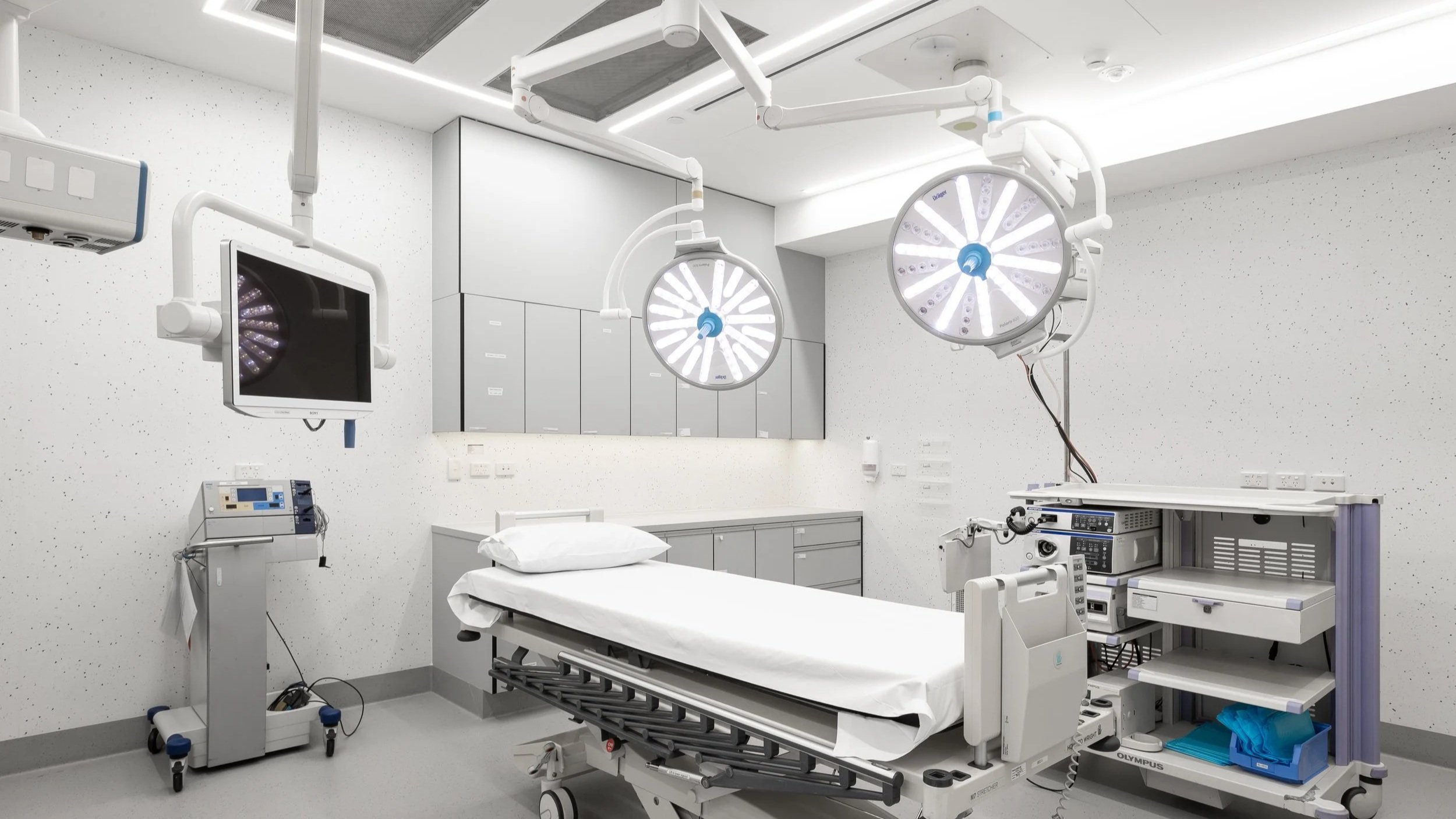
What happens during the procedure?
Your specialist passes the gastroscope through your mouth and gently advances it through your oesophagus into your stomach and duodenum.
The gastroscope does not interfere with your breathing.
A straightforward gastroscopy usually takes about 3 to 4 minutes.
The gastroscope does not interfere with your breathing.
The procedure may take longer if treatment is required.
Questions for your healthcare team
If you have questions about the procedure itself, save them here to discuss with your healthcare team.
Thank you for your feedback.
After your gastroscopy
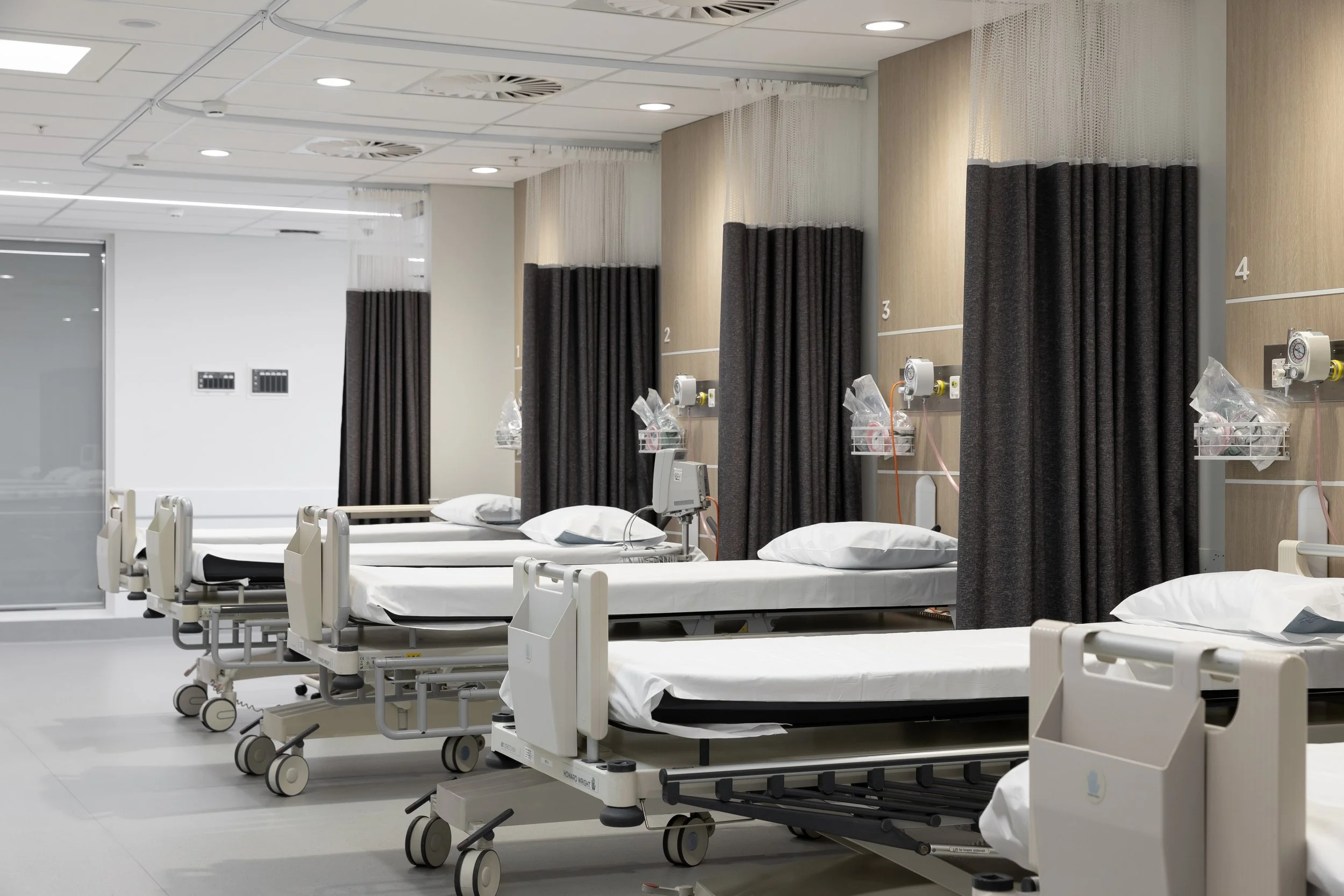
After the procedure, you will spend some time recovering before you leave MacMurray.
After the procedure
After your gastroscopy, you will be taken to the recovery area.
If you received intravenous sedation, you will remain in recovery for at least one hour while the sedation wears off.
Hearing what was found
When you are awake, your specialist will discuss the results of your gastroscopy with you.
You will receive a written summary to take home.
A copy of your report will also be sent to your GP.
Before you go home
A light snack will be provided before you leave MacMurray.
You can return to your normal diet after discharge.
If you had sedation Going home safely Important instructions after intravenous sedation
- Someone must take you home.
- Someone must stay with you afterwards.
- You must not drive.
- If you plan to use a taxi or Uber, this needs to be cleared by the medical staff before your procedure.
- Sedation may affect how well you remember the discussion about your results.
- You should stay off work on the day of your procedure.
- You can usually return to your normal activities the following day.
Questions for your healthcare team
If you have questions about recovery or going home, save them here to discuss with your healthcare team.
Thank you for your feedback.
Results, risks and getting help
Your specialist will discuss the findings from your gastroscopy with you. If biopsies are taken, the laboratory results will take longer.
What might a gastroscopy find?
Gastroscopy can identify a range of conditions, including:
What is a biopsy?
A biopsy is a small sample of tissue taken during your gastroscopy. The sample is sent to a pathology laboratory where it is examined under a microscope.
The time taken depends on the laboratory testing required. Your biopsy results will also be sent to your GP.
Your specialist will review your biopsy results when they are available. You may be asked to return to MacMurray to discuss the findings and any next steps.
Gastroscopy is generally a very safe procedure
Complications are uncommon, but they can include:
1 in 1,000
1 in 1,000
4 in 10,000
Some people may experience
When should I get help?
Most people recover quickly after a gastroscopy. However, if you develop new or worsening symptoms after your procedure, it is important to know when to seek medical advice.
Seek urgent medical help if you have severe or worsening chest or abdominal pain, significant difficulty breathing, collapse or fainting, vomiting a large amount of blood, or another symptom that feels like an emergency.
Please contact MacMurray if you develop persistent or worsening pain, repeated vomiting, difficulty swallowing, fever, black bowel motions, vomiting blood, or any other symptom that concerns you after your gastroscopy.
If MacMurray is closed and your symptoms cannot wait until the next working day, contact an after-hours medical service or attend your nearest Emergency Department.
Questions for your healthcare team
If you have questions about your results or what happens next, save them here to discuss with your healthcare team.
Thank you for your feedback.
Your rights as a patient
When you receive healthcare in New Zealand, you are protected by the Code of Health and Disability Services Consumers’ Rights. This includes your right to be treated with respect, to receive information you can understand, to ask questions, to make an informed choice about your care, and to have a support person with you where appropriate.
Read the full Code of RightsReady for your gastroscopy?
Any questions still on your mind?
You can save a question here and bring it up with your healthcare team.
Keep this guide available so you can return to it before and after your gastroscopy.