
Your hernia journey
Select a section to go straight there. You can work through the guide in order or return to the sections most useful to you.
Not every hernia needs an operation. The aim of your consultation is to understand the type of hernia you have, how much it is affecting you, and whether the benefits of surgery outweigh the downsides for you.
Quick actions
Your Hernia
Patient Guide
Clear information to help you understand your hernia, consider your treatment options, prepare for your consultation and know what to expect if surgery is right for you.
Your individual hernia, treatment options and decision about whether surgery is right for you will be discussed with Peter or Tom.
A quick welcome
Peter and Tom explain how this guide can help you understand your hernia, prepare for your appointment and make the most of your consultation. You can also share it with a family member or support person so they can read along and help you think of questions.
Who are you seeing?
Select your surgeon so you can quickly find the information most relevant to your appointment. As you read, save any questions you would like to discuss. Your support person can help you think of questions too.
Understanding your hernia
A hernia develops when tissue pushes through a weak point or opening in the abdominal wall. Understanding where your hernia is and how it is affecting you is the first step in deciding what to do about it.
What exactly is a hernia?
The muscles and connective tissues of the abdominal wall normally contain the tissues and organs inside your abdomen.
A hernia occurs when there is a weakness or opening in this wall. Fatty tissue, bowel or other tissue can then push through the opening, creating a lump or bulge.
Why does the lump sometimes come and go?
Many hernias become more noticeable when pressure inside the abdomen increases, such as when standing, coughing, lifting or straining.
The bulge may become smaller when you lie down or relax because the tissue moves back through the opening.
Where does a hernia occur?
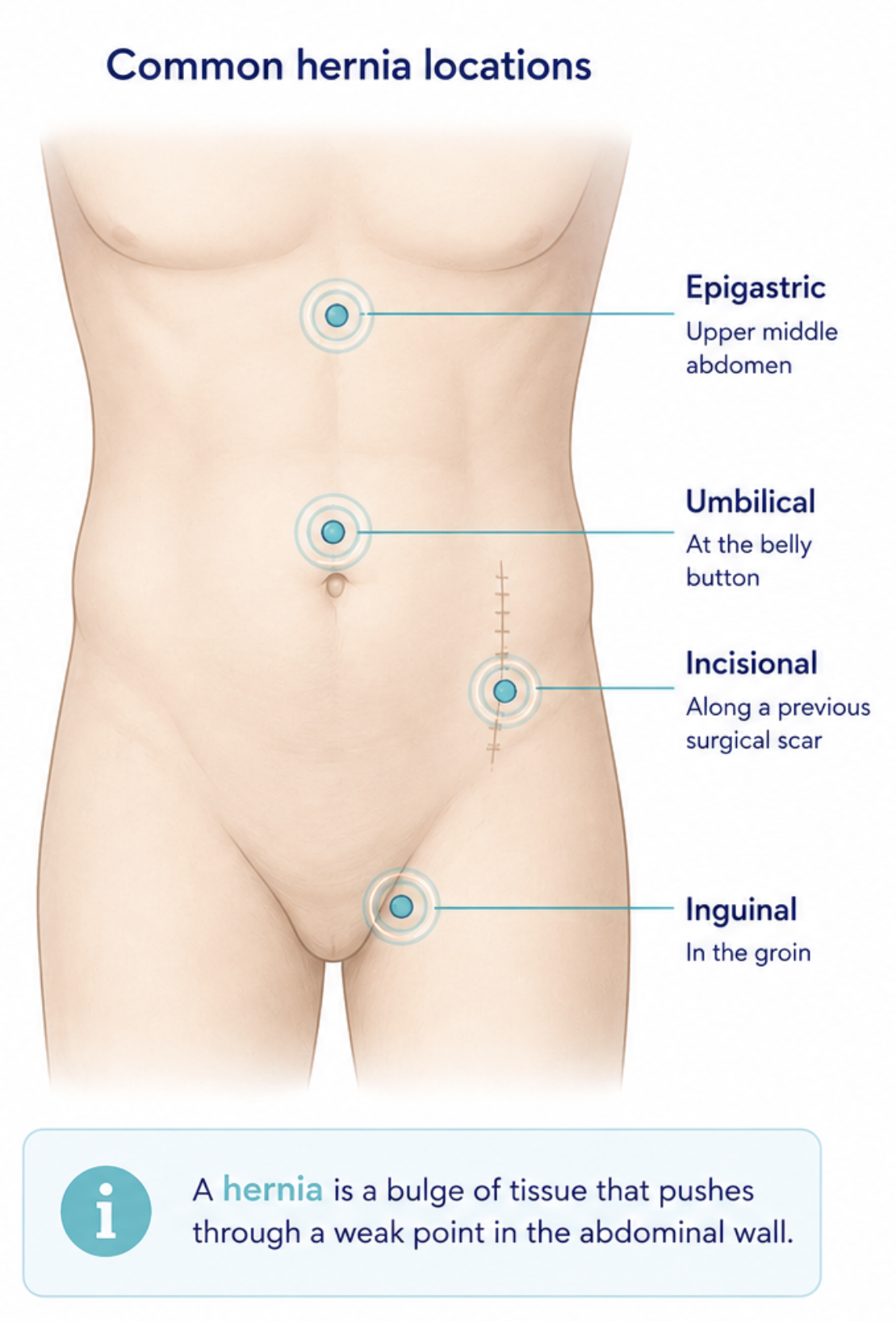
The position of the weakness in the abdominal wall determines the type of hernia you have.
What type of hernia do I have?
Hernias are usually named according to where the weakness occurs. The location and type of hernia can influence the symptoms you experience and the treatment options available.
Inguinal hernia
An inguinal hernia occurs in the groin. You may notice a lump, aching or discomfort, particularly when standing, lifting, coughing or exercising.
Umbilical hernia
An umbilical hernia develops through a weakness at or close to the belly button and often appears as a visible bulge.
Epigastric hernia
An epigastric hernia develops through the abdominal wall in the midline between the belly button and the lower part of the breastbone.
Incisional hernia
An incisional hernia develops through a weakness in the abdominal wall at or close to the site of a previous surgical incision.
What symptoms can a hernia cause?
Hernias affect people differently. Some cause very little trouble, while others cause symptoms that interfere with work, exercise or everyday activities.
What does “reducible” mean?
A reducible hernia is one where the contents of the hernia can move back through the opening in the abdominal wall, either by themselves or with gentle pressure.
A hernia may therefore be obvious when you are standing and much less noticeable when you lie down.
How is a hernia diagnosed?
Many groin and abdominal wall hernias can be diagnosed from your symptoms and examination.
Your surgeon may examine the area while you are standing and may ask you to cough or strain gently so the hernia becomes easier to assess.
A scan is sometimes useful when the diagnosis is uncertain or when more information about the abdominal wall is needed, but not every hernia requires imaging.
What will we want to understand?
What changes should I take seriously?
A hernia that suddenly becomes very painful, firm, increasingly swollen or no longer goes back in needs prompt medical assessment, particularly if you also develop vomiting, worsening abdominal pain or feel unwell.
Your surgeon will assess the type of hernia you have and, importantly, how much it is affecting you. This helps guide the decision about whether treatment is worthwhile.
Save a question for your appointment
Tap a question and it will be added to your My questions list.
Was this section helpful?
Your feedback helps us improve this guide.
Does my hernia need treatment?
Finding a hernia does not automatically mean you need surgery. The decision depends on the type of hernia, the symptoms it causes, whether it is changing and how much it affects your everyday life.
Do all hernias need an operation?
No. Some hernias cause little or no trouble and can be monitored rather than repaired immediately.
This can be particularly reasonable for some people with an inguinal hernia that is causing very few symptoms.
Other hernias are painful, becoming larger or interfering with normal activities. In these situations, the balance may favour surgery.
Observation or repair?
Observation may be reasonable
This may be an option when the hernia is causing little or no discomfort and is not significantly interfering with your life.
Surgery may become more worthwhile
This is more likely when the hernia causes troublesome symptoms, is affecting normal activities or is changing in a way that concerns you or your surgeon.
How much do symptoms matter?
A great deal. The size of the lump alone does not tell us how much a hernia is affecting someone.
A relatively small hernia may cause significant discomfort, while a larger hernia may cause surprisingly few symptoms.
What matters is the effect it has on you.
Is it stopping you doing things?
What if the hernia is getting bigger?
Hernias can change over time. If you feel that yours is becoming larger, more uncomfortable or more difficult to reduce, tell your surgeon.
A change does not automatically mean you need surgery, but it may alter the balance between continued observation and repair.
The same advice does not apply to every hernia
An inguinal hernia, an umbilical or epigastric hernia and an incisional hernia are different problems.
Their anatomy, symptoms and potential treatment can differ, so your recommendation needs to be based on the particular hernia you have.
Does my general health matter?
Yes. The decision is not just about the hernia.
Your overall health, previous operations, medications, fitness, work and what matters to you all form part of deciding whether surgery is worthwhile.
Observation is still an active decision
Choosing not to operate immediately does not mean ignoring the hernia. You should know what changes to look out for and seek further review if your symptoms or the hernia change.
When does a hernia need urgent assessment?
Seek urgent medical assessment if the hernia suddenly becomes very painful, increasingly swollen, firm or no longer goes back in, particularly if this is accompanied by vomiting, worsening abdominal pain or feeling unwell.
Your surgeon will help you weigh how much the hernia is affecting you against the benefits, risks and recovery involved in repairing it.
Save a question for your appointment
Tap a question and it will be added to your My questions list.
Was this section helpful?
Your feedback helps us improve this guide.
Is surgery right for me?
Hernia surgery is usually an elective decision. The aim is not simply to repair a weakness in the abdominal wall, but to decide whether doing so is likely to improve things that matter to you.
What is surgery trying to achieve?
Hernia surgery repairs the weakness or opening in the abdominal wall. For someone whose hernia is causing symptoms, the aim is usually to reduce the problems caused by the hernia and allow a return to normal activities with greater confidence.
The reason for operating should therefore be clear before you decide to proceed.
Surgery may be more worthwhile if...
Surgery may be less worthwhile right now if...
The decision is a balance
- Less hernia-related discomfort
- Fewer restrictions on activities
- Repair of the abdominal wall defect
- Less day-to-day awareness of the hernia
- Having an operation and anaesthetic
- Pain and recovery afterwards
- Time away from some activities or work
- The possibility of complications
Is the hernia definitely causing my pain?
Not every pain in the groin or abdominal wall comes from a hernia. This matters because repairing a hernia cannot be expected to treat pain that is coming from somewhere else.
If your symptoms and examination do not fit neatly together, your surgeon may want to clarify the likely cause of your symptoms before recommending an operation.
What would make treatment worthwhile for you?
Think about what you would like to be different after treatment. Perhaps you want to exercise without discomfort, work more easily, stop thinking about the hernia every day or simply feel confident that you have made the right decision.
Three questions worth thinking about
Think about symptoms rather than simply the presence of the lump.
Consider work, exercise, hobbies and everyday activities.
Being clear about this makes it easier to judge whether the expected benefit is worthwhile.
Do I need to decide immediately?
For an elective hernia, you should have an opportunity to understand your options, ask questions and consider the recommendation before deciding.
If observation is a reasonable option for your particular hernia, deciding to wait does not prevent you from reconsidering surgery if your symptoms change later.
The recommendation from your surgeon should take account of the hernia itself, your symptoms, your general health and what you want to achieve from treatment.
Save a question for your appointment
Tap a question and it will be added to your My questions list.
Was this section helpful?
Your feedback helps us improve this guide.
Understanding hernia surgery
If you decide to have surgery, the aim is to return the hernia contents to where they belong and repair the weakness in the abdominal wall.
What does the operation actually do?
A hernia is an opening or weakness in the abdominal wall. During surgery, the tissues that have pushed through this opening are returned to the correct side of the abdominal wall.
The weakness is then repaired so that the abdominal wall is supported again.
What is surgical mesh?
Mesh is a thin manufactured material designed to reinforce a weak area of the abdominal wall.
It is commonly used in adult hernia surgery because it allows the repair to be strengthened over a wider area rather than relying only on stitches pulling the edges of the defect together.
Whether mesh is recommended, and where it is placed, depends on the type of hernia and the operation being performed.
Open surgery or keyhole surgery?
Hernias can be repaired through an open incision or, for suitable hernias, using keyhole surgery.
These are different ways of reaching and reinforcing the same basic problem. One approach is not automatically better for every patient.
Through an incision over the hernia
The surgeon reaches the hernia directly through an incision close to the affected area and repairs the abdominal wall from that approach.
Through several small incisions
A camera and instruments are introduced through small incisions so the hernia can be repaired from inside or behind the abdominal wall.
How is the approach chosen?
The choice is individual. Factors can include the type and size of the hernia, whether it is on one or both sides, previous operations and your general health.
Surgeon experience with the different techniques is also important.
Where your surgery takes place
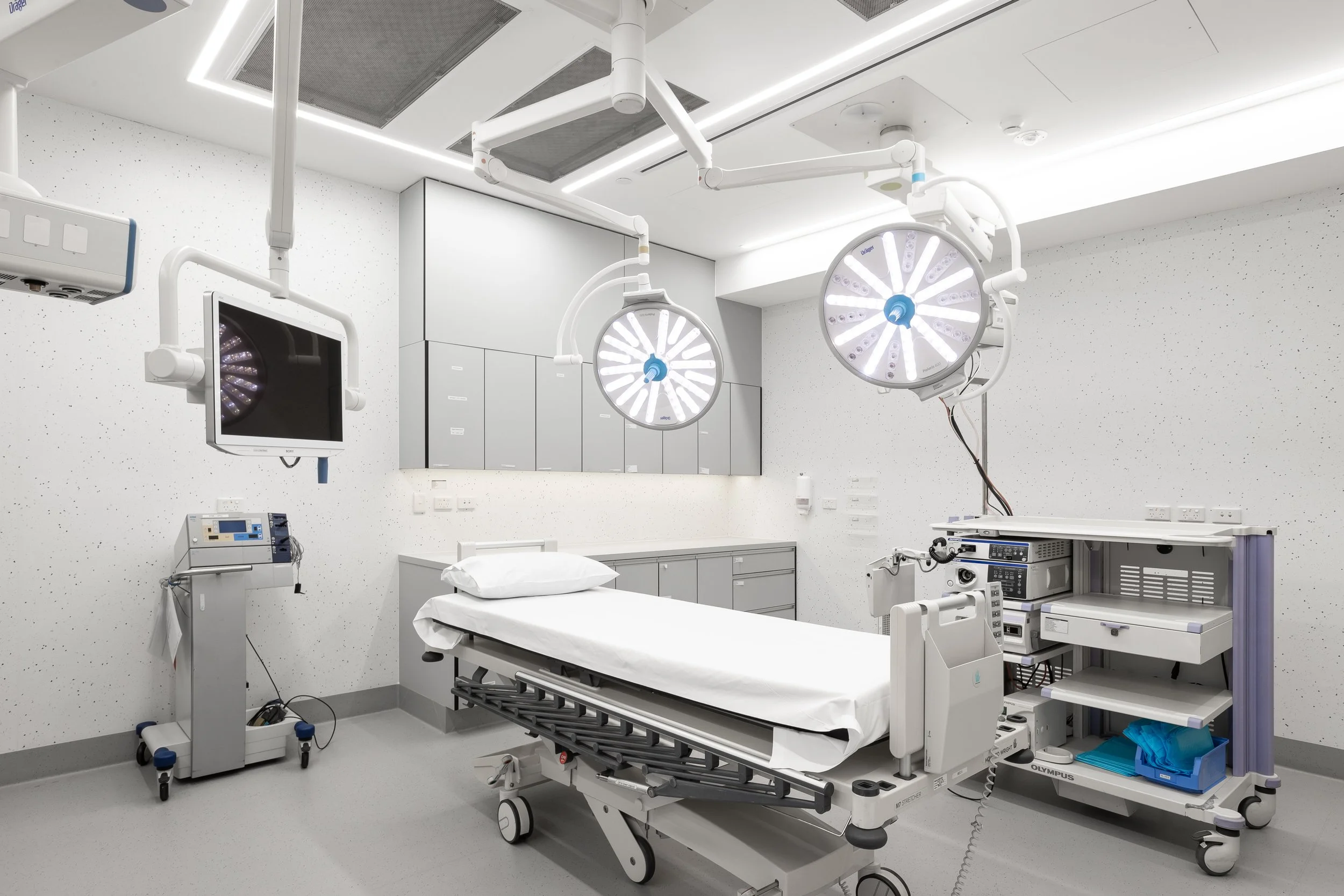
Hernia repair is performed in a modern operating theatre with your surgical and anaesthetic team caring for you throughout the procedure.
Where does the mesh go?
Mesh is positioned so that it covers and reinforces the weak area rather than simply filling the opening itself.
The exact position depends on the type of hernia and the surgical technique being used.
Does the mesh stay inside me?
In most standard mesh repairs, the mesh is intended to remain in place permanently. As healing takes place, your tissues grow around and incorporate the mesh into the repair.
Mesh has advantages, but it also has potential complications. These are included in the discussion about the risks of surgery in the next chapter.
What anaesthetic will I need?
This depends partly on the operation being performed.
Keyhole hernia surgery requires a general anaesthetic. Open hernia repair is also commonly performed under general anaesthetic, although other anaesthetic approaches can sometimes be appropriate.
Your anaesthetic plan will be discussed with you before surgery.
What actually happens?
Your surgeon identifies the weakness in the abdominal wall and the tissues involved.
Tissue that has pushed through the opening is returned to the correct side of the abdominal wall.
The abdominal wall is repaired and, where appropriate, reinforced with mesh using the technique planned for your particular hernia.
The incision, or the small keyhole incisions, are closed and dressings are applied as appropriate.
Is every hernia operation the same?
No. An inguinal hernia repair is different from repairing an umbilical, epigastric or incisional hernia.
The size and location of the defect, previous surgery and the surrounding abdominal wall all influence how the repair is planned.
Larger or more complex hernias may therefore require a different operation from a straightforward groin or small abdominal wall hernia.
Where will the scars be?
With an open repair, there is usually an incision close to the hernia being repaired. Keyhole surgery uses several much smaller incisions on the abdomen.
The exact position and number of wounds depends on the operation being performed.
Your surgeon will explain which repair is recommended for your particular hernia, whether mesh is planned and why that approach is appropriate for you.
Save a question for your appointment
Tap a question and it will be added to your My questions list.
Was this section helpful?
Your feedback helps us improve this guide.
Understanding the risks
Most people recover well after hernia surgery, but every operation has potential complications. Understanding the important risks helps you make an informed decision about whether surgery is right for you.
What is normal after hernia surgery?
Some pain, tenderness, bruising and swelling around the operation site are expected during the early recovery period.
These do not necessarily mean that something has gone wrong. Your discharge instructions will explain what to expect and when you should ask for further advice.
Problems that can occur after surgery
Bruising or bleeding
Bruising around the wound or groin can occur. Occasionally, bleeding can collect under the skin and form a haematoma.
Swelling or fluid
Fluid can collect where the hernia used to be, producing a temporary swelling known as a seroma.
Wound infection
An operation wound can become infected. Increasing redness, discharge, worsening pain or feeling unwell should be assessed.
Difficulty passing urine
Some people have temporary difficulty passing urine after an operation and anaesthetic.
What can happen after the initial recovery?
Most postoperative discomfort improves as healing progresses, but a proportion of people develop pain, numbness or altered sensation that lasts longer than expected.
A hernia repair reduces the weakness in the abdominal wall, but no repair can guarantee that a hernia will never recur.
Mesh is widely used in hernia repair, but it can occasionally be associated with problems such as infection, pain or other complications related to the implant.
How common are these risks?
Studies involving large groups of patients allow us to estimate how often some complications occur. The figures below are approximate averages rather than a prediction of what will happen to you.
Ongoing pain affecting daily activities
Around 10 to 12 in every 100 people report persistent pain that has some effect on normal activities after groin hernia surgery.
Severe or disabling long-term pain is much less common.Haematoma
Around 2 in 100 people develop a collection of blood around the operation site.
Bruising itself is much more common and usually settles without treatment.Wound infection
Around 1 to 2 in 100 people develop a surgical-site infection after uncomplicated groin hernia repair.
Infection involving the mesh itself is much less common.Seroma or fluid collection
Around 1 to 2 in 100 people develop a recorded fluid collection after surgery.
The rate can be higher with larger hernias and some types of repair. Most seromas settle without treatment.Imagine 100 people having a similar operation. If a complication occurs in 10 in 100 people, around 10 might experience it and around 90 would not.
These numbers come from groups of patients. Your own risk may be higher or lower depending on your health, your hernia and the type of operation being considered.
“Are any of these risks higher or lower for me?”
What about injury to nearby structures?
Hernias occur close to other important structures. Depending on the type and location of your hernia, these can include nerves, blood vessels, bowel, bladder or structures within the groin.
Injury to these structures is an uncommon but recognised complication of hernia surgery. The relevant risks for your particular operation will be discussed with you.
Are there risks from the anaesthetic or surgery itself?
Yes. As with other operations, there are general risks associated with anaesthesia, breathing or heart problems, allergic reactions and blood clots.
Your overall health and medical history help determine how relevant these risks are for you.
What can change the risk of surgery?
The question is not “Is surgery risk-free?”
No operation is completely risk-free. The more useful question is whether the expected benefit of repairing your hernia outweighs the risks and recovery involved for you.
Your surgeon will explain the risks that are most relevant to your hernia and your health rather than simply giving you a generic list of possible complications.
Save a question for your appointment
Tap a question and it will be added to your My questions list.
Was this section helpful?
Your feedback helps us improve this guide.
Getting ready for surgery
Once surgery is booked, you will receive instructions about fasting, medications, when to arrive and what you need to arrange for afterwards.
What should I organise beforehand?
Read the instructions sent with your booking before the day of surgery. Make sure you know where you are going, when you need to arrive and when you need to stop eating and drinking.
You will also need to arrange for a responsible adult to take you home and be available with you after discharge.
Your preparation checklist
When do I stop eating and drinking?
Unless you have been given different instructions, do not eat food during the 8 hours before your scheduled surgery.
Clear fluids must stop 2 hours before surgery.
Your booking instructions take priority. If the instructions you receive are different, follow those instructions.
What about my regular medications?
Do not make changes to important regular medications simply because you are having surgery.
Instructions about your medicines will be included in your pre-operative information and can also be discussed during your anaesthetic assessment.
If you are uncertain about whether to take a particular medication, check before the day of surgery.
Expect a call from the hospital
The hospital will usually contact you before surgery to confirm practical details for the following day.
Keep your phone available and check any instructions you have already received.
Where will my surgery take place?
Most Compass Surgical hernia operations are performed at MacMurray Centre. Some operations are performed at Ormiston Hospital.
Your booking information will clearly confirm which hospital you should attend.
What happens when I arrive?
The hospital team will confirm your details and prepare you for the operation.
You will be reviewed before surgery and have an opportunity to clarify any final questions.
Your operation, consent and relevant clinical information are checked before you go to theatre.
The theatre and anaesthetic teams will care for you throughout the procedure.
Waking up in recovery
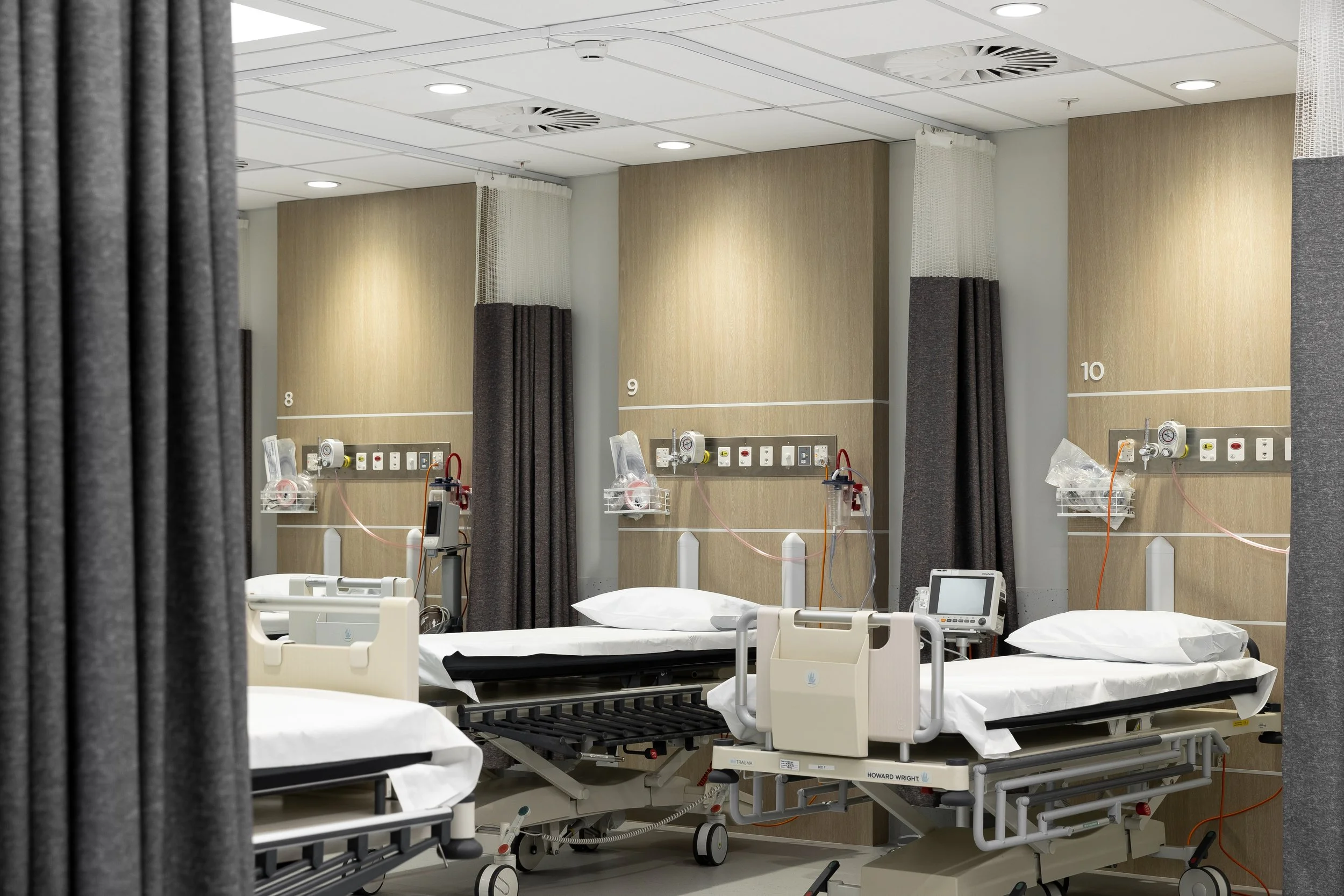
After surgery you are taken to the recovery area, where the nursing team looks after you while you wake from the anaesthetic.
What happens when I wake up?
A recovery nurse will monitor you as you wake from the anaesthetic and make sure you are recovering safely.
You may initially feel sleepy or slightly disorientated. The team will also check your comfort and treat pain or nausea if needed.
It is normal to feel different for a while
The wounds and repaired area will usually feel sore after the operation.
Anaesthetic medicines and the operation itself can leave you feeling tired or sleepy.
Some people feel sick after an anaesthetic. Medication can be given if this happens.
You will stay under the care of the hospital team until you are ready to move on from the immediate recovery area.
When can I go home?
The hospital team will make sure you have recovered sufficiently from the operation and anaesthetic before you are discharged.
You need someone to take you home
You will need a responsible adult to collect you after surgery. You should not plan to drive yourself home.
Arrange for someone to be available with you after discharge, including during the first evening at home.
What information will I be given?
Before you leave, the hospital team will give you instructions about your wounds, pain relief, activity and what to do if you have concerns after discharge.
Keep this information somewhere easy to find when you get home.
Who should I contact?
If you have a concern after discharge, contact the hospital where your operation was performed using the details provided on your discharge paperwork.
If you develop severe or rapidly worsening symptoms, seek urgent medical assessment.
Your surgeon and the hospital team will give you instructions specific to your operation before you leave.
Save a question for your appointment
Tap a question and it will be added to your My questions list.
Was this section helpful?
Your feedback helps us improve this guide.
Recovery and follow-up
Recovery is different for everyone. The aim is to keep you comfortable, get you moving again and gradually return you to the activities that matter to you.
What should I expect when I first go home?
You may still feel tired from the anaesthetic and the operation. Take things steadily and use the pain relief recommended on your discharge instructions.
You do not need to stay in bed. Gentle movement around the house is usually helpful as you recover.
What is common in the first few days?
The wounds and repaired area can feel uncomfortable, particularly when moving.
Bruising around the wound or groin can become more noticeable before it settles.
Some swelling around the operation site can occur during early healing.
It is common to have less energy than usual for a while after surgery.
Do I need to rest in bed?
No. Rest is important, but you should also get up and move around gently rather than spending long periods in bed.
Walking short distances and gradually doing more as you feel able are useful parts of recovery.
The next stage of recovery happens at home
Once you are ready to leave hospital, the focus shifts to managing your wounds and discomfort, staying mobile and gradually returning to normal activity.

How should I manage discomfort?
Use the pain relief recommended on your discharge instructions. Keeping discomfort under reasonable control makes it easier to move around, sleep and gradually return to normal activities.
Pain should generally become easier to manage as recovery progresses. If pain is becoming significantly worse rather than improving, seek advice.
What should I do with the dressings?
Follow the wound and dressing instructions provided by the hospital. Different closure methods and dressings may need slightly different care.
Contact the hospital or seek medical advice if the wound becomes increasingly red, hot, swollen or painful, opens, or develops discharge.
How active should I be?
Start with gentle activity and gradually increase what you do as your comfort and confidence improve.
Short walks are a useful way to start moving again.
Increase everyday activity as discomfort settles.
If an activity causes significant pain, reduce the intensity and try again as recovery progresses.
When can I lift things again?
Advice about heavier lifting and strenuous exercise depends on the type of hernia, the repair performed and your individual recovery.
Follow the instructions provided for your operation rather than relying on a single rule for every hernia repair.
When can I go back to work?
This depends on both your recovery and the type of work you do. Someone with a mainly desk-based job may be ready sooner than someone whose work involves repeated lifting or strenuous physical activity.
If you are unsure, discuss your expected return to work with your surgeon .
When can I drive again?
Do not drive until the effects of the anaesthetic have passed, you are no longer impaired by medication, and you can comfortably control the vehicle and respond safely in an emergency.
Check your discharge instructions and any requirements from your insurer.
When should I seek medical advice?
Pain that is severe or getting significantly worse
Increasing redness, heat, swelling or discharge from the wound
Persistent vomiting or difficulty keeping fluids down
Increasing abdominal swelling or feeling significantly unwell
Any other symptom that causes you significant concern
When will I see my surgeon again?
Routine follow-up with Compass Surgical is usually around 6 weeks after your operation.
If you are having problems or need to be reviewed earlier, an earlier appointment can be arranged.
At follow-up, your surgeon can review your recovery, answer any remaining questions and help guide your return to normal activity.
You are ready for the next conversation
You now have an overview of what a hernia is, when treatment may be worthwhile, how surgery works and what to expect afterwards.
If you have saved questions while reading, review them before your appointment.
Save a final question
Tap a question and it will be added to your My questions list.
Was this section helpful?
Your feedback helps us improve this guide.